
SPEAK TO THE EXPERTS

  • phone-icon
  • 020 8964 9368

SEND US AN EMAIL

  • mail-icon
  • sales@dennyplastics.co.uk

Blog

Categories
blogpost

The Best Practices for Installing Acrylic Display Cases & Signs

Expert Guidance from Denny Plastics – Clear, Secure & Stylish Installations

Acrylic display cases and signs are versatile, visually striking and highly effective for showcasing products, branding or important information. But getting the installation right is essential, whether your case is wall‑mounted, free‑standing or built into a retail space. Below are tried‑and‑tested best practices to help you install your acrylic displays safely, securely and with a polished finish.

1. Plan before you begin

Before you fix anything to a wall or surface, take time to:

  • Choose the ideal location: Think about sightlines, foot traffic and lighting. For signs, eye level or slightly above is often best for readability, while cases in galleries or shops should be placed where they attract attention without blocking walkways.
  • Consider the surface you’re mounting to: Plasterboard, concrete and brick all need different fixings.
  • Measure precisely: Use a spirit level and tape measure to mark exact positions for screws or standoffs; this prevents crooked signage or misaligned cases later.

2. Choose the right fixings for the job

Acrylic is strong and lightweight, but it can crack if drilled incorrectly. Your fixing method should match the weight, size and location of the display:

  • Standoffs (distance holders):
    These create a modern, floating look for signs. Once the wall fixings are in, acrylic panels slot neatly over standoffs for a professional finish.
  • Screws and wall anchors:
    Ideal for heavier or larger signs and display cases in busy areas. Drilling into the wall and using wall plugs provides maximum security.
  • Adhesive or double‑sided tape:
    Good for temporary signs or lighter panels, particularly on smooth surfaces. Choose a high‑strength tape rated for acrylic and clean the surface thoroughly before applying.

Pro tip: Always use the pre‑drilled holes if your acrylic panel has them, this ensures accurate placement and reduces stress on the material.

3. Drilling acrylic – Do it carefully

If you need to drill acrylic (e.g., for bespoke cases or unique mounting):

  • Use a fine drill bit and go slowly to avoid cracking.
  • Support the acrylic securely underneath so the panel doesn’t flex.
  • Avoid applying excessive pressure, let the drill do the work.

This protects your investment and ensures a clean, professional finish. (Note: If you’re unsure, ask your fabricator for advice or prefabricated mounting points.)

4. Consider lighting & environment

Good lighting makes all the difference:

  • LED lighting inside cases enhances visibility and prevents shadows.
  • Avoid positioning displays in direct sunlight, prolonged UV exposure can cause yellowing or warping over time.
  • For indoor signs, ensure the area is well lit so visitors can clearly read graphics or text.

5. Final Checks & Finishing Touches

Once installed:

  • Step back and review: Check from multiple angles to ensure alignment and visual impact.
  • Remove protective film from both sides of the acrylic after installation to reveal crystal‑clear clarity.
  • Wipe the surface gently with a microfibre cloth and mild soap: Avoid paper towels and harsh chemicals, which can scratch or cloud the finish.

6. Ongoing care & maintenance

Acrylic displays look their best when well maintained:

  • Regular dusting with a microfibre cloth prevents micro‑scratches.
  • For deeper cleaning, a gentle mix of lukewarm water and mild detergent will remove fingerprints and smudges without damaging the surface.
  • Avoid abrasive sponges or harsh solvents, these can damage the acrylic permanently.

Summary

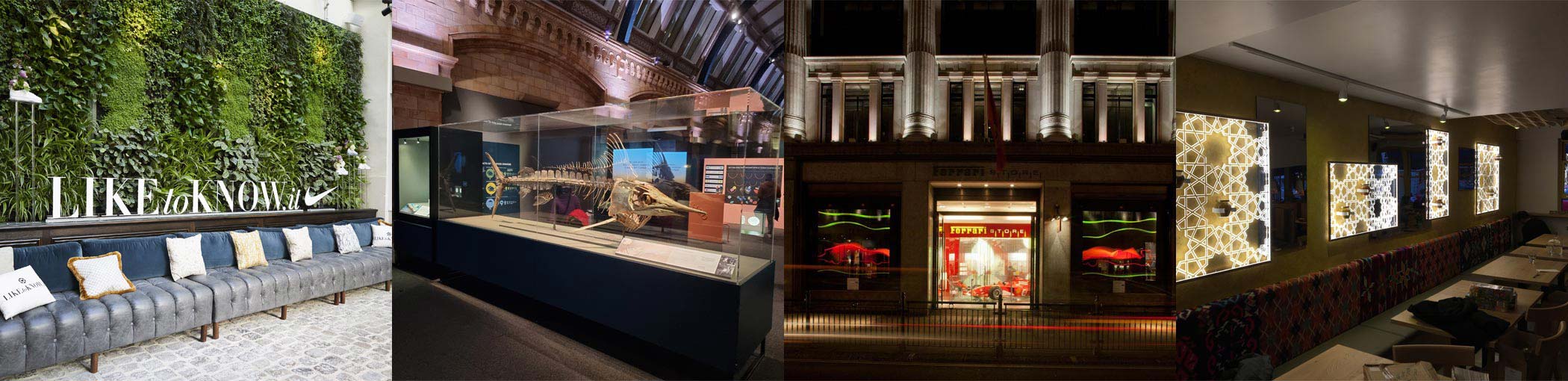
Installing acrylic display cases and signs doesn’t have to be daunting. With careful planning, the right tools and attention to detail, you’ll achieve installations that are secure, elegant and built to last. Whether it’s for retail, exhibitions, museum showcases or business signage, prioritising correct mounting and care will ensure your acrylic displays make the best impression possible.

If you’d like bespoke help with your next acrylic display installation or a custom solution tailored to your space, the team at Denny Plastics are here to assist, from design to delivery.

Categories
blogpost

Perspex Furniture in Luxury Interiors: Less Material, More Impact

In the world of luxury interior design, bold statements and timeless elegance often go hand in hand. Yet, one of the most striking trends to emerge in recent years defies traditional expectations: perspex furniture. Sleek, transparent and deceptively minimal, this modern material is transforming high-end spaces with an effect that’s greater than the sum of its parts. From contemporary city apartments to sophisticated country homes, designers and homeowners alike are embracing Perspex as a way to introduce style without visual clutter.

Why designers love perspex

At first glance, Perspex might seem like an unlikely candidate for luxury interiors. However, its unique qualities make it ideal for creating spaces that feel open, light and purposeful.

  • Visual lightness: Perspex is transparent, which means pieces like a perspex dining table can occupy a central place in a room without weighing the design down. This is especially useful in smaller spaces where maintaining sightlines is vital.
  • Versatility in form and finish: Available in crystal clear, tinted, frosted or coloured options, Perspex can be crafted into virtually any shape. Whether you favour minimalist lines or sculptural curves, it adapts beautifully.
  • Durability and practicality: Unlike glass, Perspex (acrylic) is far more impact-resistant and less prone to shattering. With the right care, a gentle polish and non-abrasive cleaner, it maintains its clarity for years.

Styling with a perspex dining table

A perspex dining table is one of the most effective ways to introduce this material into your home. Its transparent top and legs can:

  • Create the illusion of extra space, ideal for open-plan living and heritage buildings with limited square-footage.
  • Showcase beautiful flooring, rugs or architectural features that would otherwise be hidden beneath a solid table.
  • Complement a range of styles, from urbane modern to glamourous Art Deco. Pair with velvet chairs and metallic accents for a sumptuous feel, or keep it pared back with neutral linens and minimalist crockery.

Practical tip: Choose a table with polished edges and high-grade Perspex to ensure maximum clarity and avoid surface scratching.

The subtle strength of a perspex side table

Not every piece in a room needs to be a focal point, sometimes the quieter moments make the biggest difference. A perspex side table performs this role brilliantly. Placed beside a sofa or armchair, it holds lamps, books and décor without interrupting the visual flow of a room.

Benefits of a Perspex Side Table:

  • Unobtrusive functionality: Offer surface space where needed without dominating the interior.
  • Light amplification: Let natural and artificial light bounce around the room, enhancing brightness even in moody or compact spaces.
  • Layered styling: Because the piece itself doesn’t compete visually, you can experiment with colourful accessories, ceramics or fresh blooms.

Care and maintenance: Keeping it pristine

Perspex looks best when it remains crystal clear. To keep your perspex furniture in showroom condition:

  • Dust regularly with a soft, lint-free cloth.
  • Avoid ammonia-based cleaners (common in household glass sprays) these can cause crazing or dullness. Instead, use a mild detergent diluted in warm water.
  • For scratches, consider a specialised acrylic polish. Light abrasions can often be buffed out carefully, restoring the surface.

Where to use perspex in your home

Perspex is no longer restricted to occasional furniture. Luxury designers are incorporating it across interiors, such as:

  • Console tables in hallways to reflect natural light and expand tight spaces.
  • Floating shelves that seem to levitate against walls.
  • Display pedestals for art pieces, ceramics or treasured objects, unobtrusive yet elegant.

Final thoughts

In a design landscape that sometimes favours excess, Perspex offers an alternative that’s both sophisticated and sensible. Its transparency doesn’t diminish its impact, it amplifies everything around it. Whether you choose a bold perspex dining table, a delicate perspex side table, or other pieces of perspex furniture, this material is a reminder that luxury isn’t just about what you add, but how you elevate what’s already there. Elegant, practical and undeniably contemporary, Perspex is proving that you can indeed have less material and more impact, and enjoy interiors that feel open, bright and undeniably stylish.

Categories
blogpost

5 Industries That Benefit Most from Perspex Cut to Size

Perspex, also known as acrylic sheet or acrylic glass, has become one of the most versatile materials used across multiple industries today. Its combination of clarity, durability and adaptability makes it ideal for bespoke applications, especially when ordered cut to size. Whether you’re a designer, small business owner or facilities manager, understanding where Perspex excels can help you make smarter material choices.

In this post, we look at five industries that benefit most from perspex cut to size, and explain why it’s such a popular choice.

1. Retail and visual merchandising

Retail is all about presentation. Eye-catching displays attract customers and encourage sales and Perspex delivers both form and function.

Perspex cut to size is used to create:

  • Display cases and risers that showcase products clearly without distracting from the merchandise.
  • Sign holders and menu stands that are robust yet elegant.
  • Point‑of‑sale screens to protect staff and customers without obstructing visibility.

Because retail spaces vary in size and style, having Perspex pre‑cut to exact dimensions saves time and allows businesses to maintain a polished, professional look.

2. Architecture and interior design

Architects and interior designers rely on materials that balance aesthetics with performance. Perspex does precisely that.

Common uses include:

  • Lightweight partitions and room dividers.
  • Feature walls and decorative panels.
  • Skylights or roof lights that let in natural light while providing thermal insulation.

Here, precision matters. Bespoke Perspex cut to size ensures seamless installation and reduces on‑site waste. And if you’ve ever wondered, what’s the easiest way to cut Perspex? The short answer is: have it cut to size by a professional supplier. They use specialised tools that avoid cracking, chipping or stress marks, giving you clean, polished edges every time.

3. Healthcare and laboratories

In medical settings, hygiene and clarity are essential. Perspex is widely used in healthcare because it’s:

  • Easy to clean and disinfect.
  • Non‑porous and resistant to many chemicals.
  • Transparent, aiding visibility without sacrificing protection.

Examples include:

  • Protective screens in clinics and hospitals.
  • Laboratory enclosures and specimen viewing panels.
  • Protective covers for medical equipment.

Pre‑cut Perspex tailored to specific equipment or room dimensions helps ensure seamless integration and compliance with safety standards.

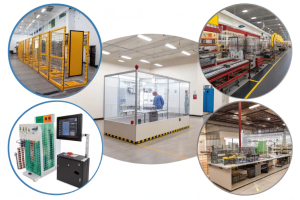
4. Manufacturing and industrial applications

In industrial environments, Perspex’s strength and versatility make it a practical choice for safety and operational efficiency.

Key uses include:

  • Machine guards and safety barriers to protect operators.
  • Clear panels in assembly lines to facilitate monitoring.
  • Equipment covers that shield sensitive components from dust or debris.

Here, accuracy is crucial. Perspex that is cut to size enhances safety, reduces installation time and helps maintain regulatory compliance in demanding environments.

5. Arts, crafts and creative projects

While heavy industries benefit from Perspex’s technical qualities, creative sectors value its adaptability.

Artists, makers and hobbyists use Perspex for:

  • Picture frames and display boxes.
  • Laser‑cut art and signage.
  • Furniture accents and lighting features.

Having Perspex cut exactly to your requirements allows you to focus on design, not trimming or finishing material on site.

Why choose perspex cut to size?

Ordering Perspex pre‑cut brings several advantages:

  • Precision: Perfect fits mean cleaner installs and professional results.
  • Time savings: No need for manual cutting or finishing.
  • Safety: Reduces the risk of material cracking or producing sharp, unsafe edges.
  • Less waste: You only pay for what you need.

Whether you’re outfitting a shop, upgrading an office, or working on a bespoke project, choosing the right material and having it cut to the precise size, makes all the difference.