SPEAK TO THE EXPERTS

  • phone-icon
  • 020 8964 9368

SEND US AN EMAIL

  • mail-icon
  • sales@dennyplastics.co.uk

Blog

Categories
blogpost

Signage & Display Innovation: Trends in Retail, Exhibition & Experiential Spaces

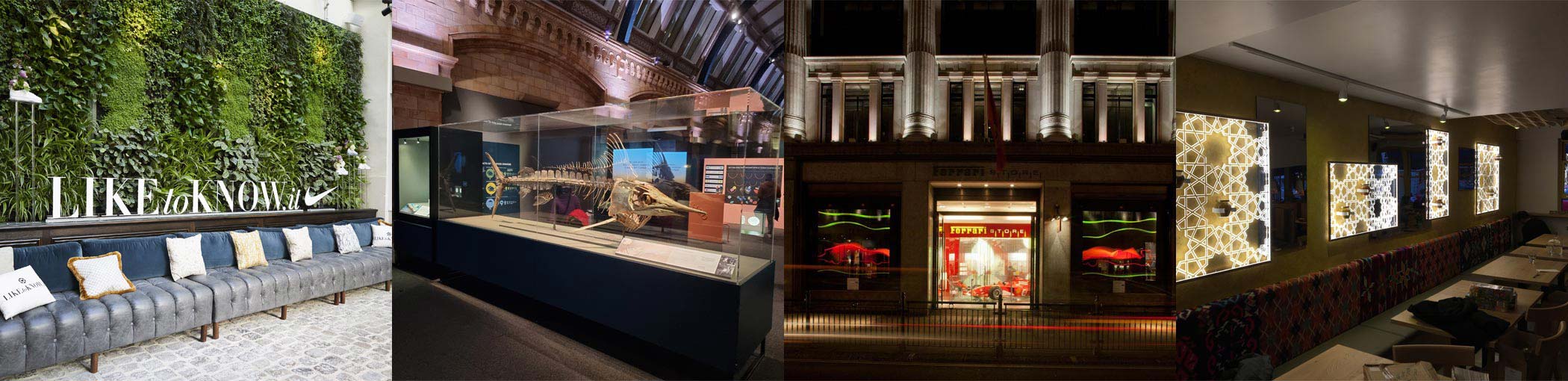
The world of signage and display design is changing fast. Whether for retail, exhibitions, or experiential installations, brands are rethinking how they communicate visually. Acrylic fabrication specialists like Denny Plastics are seeing new expectations from clients who want displays that feel immersive, modern, and technically refined. From edge lighting to interactive touchpoints, the line between signage and experience has blurred.

The rise of edge lighting and built-in LEDs

Lighting has become central to modern signage. Built-in LEDs and edge lighting have transformed how acrylic displays look and perform. Edge lighting, in particular, uses precision-polished acrylic edges to diffuse light evenly, creating a crisp illuminated border or floating glow.

This method is both visually striking and energy efficient. LEDs can be discreetly built into acrylic panels, creating sleek designs that highlight logos or text without bulky fittings. When combined with UV-printed or laser-engraved graphics, the light adds a dynamic and professional finish.

Retailers use this approach for feature walls, product showcases, and wayfinding signage. Exhibition designers rely on it to make stands standout without heavy spotlights. With long lifespans and low heat output, modern LED systems also reduce maintenance needs and power costs.

Interactive displays and digital connection

The fusion of physical and digital design is reshaping display fabrication. Interactive acrylic structures are now common in showrooms, museums, and trade events. Acrylic’s transparency and strength make it ideal for housing embedded screens, sensors, and projection surfaces.

These interactive units might respond to movement or touch, allowing brands to tell stories dynamically. Retail environments use such designs to connect the physical product with digital content. Instead of static signage, hybrid displays merge printed graphics with real-time visuals or motion-triggered light. This shift makes signage more engaging and adaptable to changing campaigns.

Combining acrylic with other materials

Another growing trend is material contrast. Acrylic is now often combined with metal, wood, or textured laminates to create depth and style. Its clarity and polish complement both industrial and organic aesthetics.

For instance, a laser-cut acrylic logo might be mounted over brushed aluminium for a modern finish or paired with oak for a softer, natural feel. Luxury retailers use diffusion bonding and diamond polishing to produce perfectly clear joins and mirror-smooth edges, giving their displays a premium look.

At exhibitions, combining lightweight acrylic with durable wood or metal frames offers both strength and portability. Denny Plastics’ fabrication precision ensures these materials merge seamlessly, resulting in stable, visually refined installations.

Experiential marketing and immersive design

Experiential marketing has changed how brands use physical space. Instead of purely informational signage, companies now focus on immersion and storytelling. Acrylic’s versatility allows it to form sculptural structures, illuminated partitions, or floating brand features that shape emotional experiences.

Modular acrylic systems can be reused across events and reconfigured for different layouts. These systems may include built-in LEDs or diffused panels that change colours to suit each campaign. In pop-up spaces, acrylic plinths or product cases often integrate sound or scent features to enhance engagement.

Retail trends: What clients want in 2025

In retail, versatility and sustainability drive most requests. Brands want display systems that adapt to seasonal campaigns and sustainability targets. Reusable acrylic panels fit perfectly, offering lightweight durability and easy rebranding through graphic overlays or LED reprogramming.

Frosted and tinted acrylics remain popular for creating depth, privacy, or soft lighting effects. Designers also experiment with colour-matched or glitter-infused Perspex to achieve subtle texture variations. Clients in high-end retail and technology sectors are especially drawn to the precision of diffusion bonding, which gives a clean, glass-like finish that feels premium and lasting.

Exhibition design: impact without compromise

Exhibitions require a balance of portability, strength, and visual impact. Acrylic excels in this environment. It is lightweight yet durable, allowing for complex shapes and precise joints without visible fixings.

Laser cutting and diffusion bonding ensure strong, clean connections that hold up during transport and reassembly. Built-in LED modules reduce the need for external lighting rigs, saving setup time while maintaining brightness. Layered acrylic backdrops, edge-lit logos, and suspended showcases all demonstrate how acrylic delivers clarity and impact without bulk.

Case studies and insights

Across industries, acrylic fabrication has enabled creative display success. Fashion and beauty brands use coloured acrylic cubes and risers to create glowing reflections. Automotive and tech exhibitors integrate clear panels with etched designs that light up in response to motion.

Sustainability is another rising theme. Clients are increasingly requesting recyclable acrylics or modular structures for reuse across multiple campaigns. Denny Plastics works closely with design teams to balance creativity with durability and environmental awareness ensuring every installation performs both visually and responsibly.

The future of signage and display

Signage is moving towards integration and intelligence. Edge lighting will continue to define aesthetics, but future designs will also feature motion, sensors, and adaptive light that responds to the environment.

Acrylic will remain central because it can combine clarity, strength, and adaptability with modern technology. Expect more hybrid systems where materials, lighting, and digital components blend seamlessly to create evolving brand environments that engage every sense.

Why choose Denny Plastics?

With over sixty years of acrylic fabrication expertise, Denny Plastics brings technical precision and creative flexibility to every project. From custom edge-lit signage to complex mixed-material displays, our team helps designers, architects, and marketing professionals realise their visions with craftsmanship and care.

We provide full-service fabrication, including diamond polishing, flame finishing, UV bonding, and CNC cutting, ensuring consistent quality and a flawless finish. Whether you are developing retail interiors, exhibition structures, or experiential installations, Denny Plastics can help you design displays that stand out for their clarity, creativity, and longevity.

Get in touch today to discuss your next signage or display project and discover how Denny Plastics can bring innovation and craftsmanship together to elevate your brand presence.

Categories
blogpost

Regulation, Safety and Material Standards in Acrylic Fabrication

Acrylic is one of the most versatile materials in signage, retail, architecture, and industrial design. Its clarity, strength, and adaptability make it a reliable alternative to glass, but safety and compliance must always come first. Understanding the rules, standards, and testing that govern the fabrication of acrylic is essential as its use in public and commercial settings increases. For Denny Plastics, quality means not only precision but also responsibility, ensuring every product meets strict safety and material standards.

Fire safety and building regulations

Fire performance plays a crucial role when using acrylic in public spaces, exhibitions, or shopfitting. Acrylic is a thermoplastic, which means it can soften or ignite if exposed to heat, so the correct grade and installation method are vital.

Fire-retardant acrylics are available that meet Class 1 (BS 476 Part 7) surface spread of flame ratings, suitable for indoor displays and wall panels. Compliance with building regulations and local fire codes is required for any installation involving heat or electrical lighting. Poor ventilation or proximity to heat sources can affect safety, so expert guidance during design and fitting is crucial.

Denny Plastics closely collaborates with clients to select the appropriate material for each project. This includes choosing fire-rated sheets, advising on spacing and mounting, and ensuring finishes such as flame polishing do not alter performance.

Structural safety and load bearing

Acrylic is up to 17 times stronger than glass, but its structural safety depends on thickness, mounting, and temperature exposure. When used for glazing, partitions, or protective screens, it must comply with standards like BS EN 13501 for material performance and BS 6262 for glazing.

Improper fixing or under-spec thickness can lead to stress cracks or bending. Denny Plastics uses precision machining and expert bonding to maintain integrity, ensuring each panel or enclosure is built to last. For complex or heavy applications, additional supports or metal frames are recommended for added load distribution.

Material safety and environmental responsibility

Acrylic, or PMMA, is non-toxic once cured, which makes it suitable for display, food contact, and healthcare use. However, correct handling during fabrication is essential to meet UK workplace safety regulations.

At Denny Plastics, all adhesives and bonding agents are used under COSHH controls, with extraction systems that maintain safe air quality. The company only sources REACH-compliant materials that are free from harmful additives.

UV stability is another safety and longevity factor. Outdoor or high-light installations must use UV-stabilised acrylic to prevent yellowing or brittleness. Many modern sheets are also recyclable, helping to meet environmental and sustainability goals.

Certification, warranties and traceability

Reliable acrylic fabrication depends on traceable, certified materials. Denny Plastics works exclusively with trusted brands such as Perspex and Lucite, which provide full documentation confirming fire, mechanical, and UV performance.

Key certifications include:

  • BS EN ISO 9001 for quality management
  • RoHS and REACH compliance for chemical safety
  • BS 476 or EN 13501 for fire performance

Each sheet should carry a batch code or identification number for traceability. This ensures that the product supplied is the same material that was tested and certified, protecting both fabricator and client.

Labelling and transparency

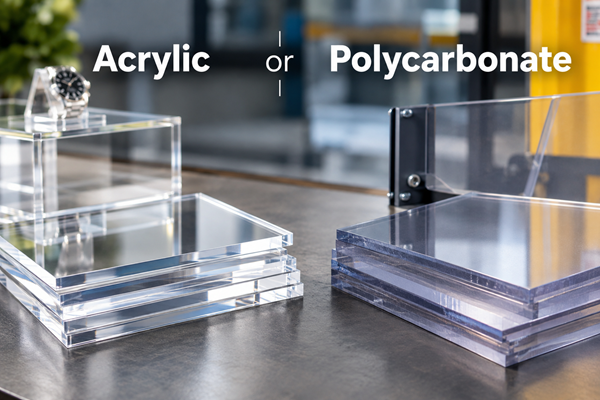
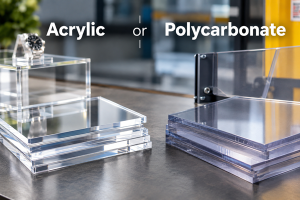
Proper labelling also helps differentiate between plastics like acrylic, PETG, and polycarbonate, which may have different impact and fire properties. Accurate documentation is particularly important for museums, exhibitions, and food service projects where hygiene or compliance checks are routine.

Denny Plastics provides clear material information with every order so clients can present compliance data to insurers, local authorities, or safety inspectors.

Fabrication methods and compliance

Even the best materials can lose their compliance rating if they are handled incorrectly. Bonding or polishing methods must preserve the mechanical and optical integrity of acrylic.

Denny Plastics uses techniques such as UV bonding, diffusion bonding, and flame polishing, each chosen to match the project’s technical needs. For example, UV bonding provides optical clarity for display cases, while solvent bonding is used for durable industrial parts.

In illuminated displays, wiring and heat management are carefully planned to prevent overheating or distortion. Attention to detail at every stage ensures long-term safety and appearance.

Meeting standards across industries

Acrylic fabrication standards vary depending on use. Retail and architectural applications must follow HSE and building safety requirements, while artistic and exhibition projects may follow internal or insurer guidelines. Denny Plastics frequently collaborates with designers, engineers, and installers to ensure that all creative ambitions are met safely and legally.

Acrylic is also used in environments where people interact directly with the material, such as counters, partitions, and exhibitions. In these cases, smooth edges, stable fixing, and structural testing are part of every build process.

Why safety standards protect everyone

Following regulation benefits everyone involved. Clients gain confidence in the durability and compliance of their installations, while fabricators uphold their professional reputation. Safety standards also protect the public, prevent product failure, and extend lifespan; all of which reduce long-term cost and liability.

Denny Plastics takes this seriously. Each fabrication project is carried out with full consideration of safety, performance, and design excellence, ensuring the final result is as reliable as it is visually impressive.

Contact Denny Plastics

If you require expert guidance on safe, compliant acrylic fabrication, contact Denny Plastics today. The team can advise on fire-rated materials, structural requirements, and certification for projects of all scales.

Categories
blogpost

How Museums and Galleries Choose Display Cases – What You Need to Know

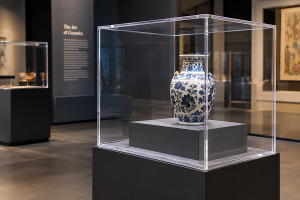
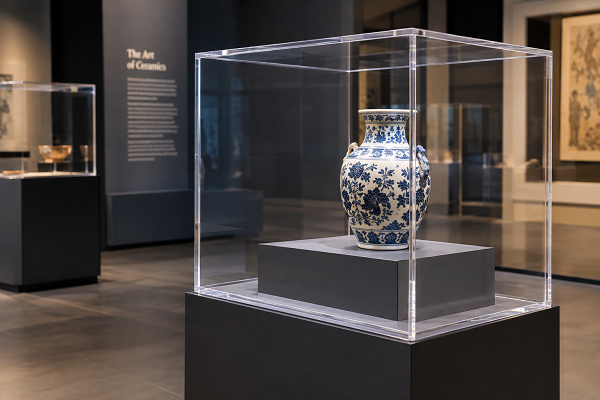
When you step into a museum or gallery, the art or artefact isn’t the only masterpiece on display, the case protecting it often says just as much about craftsmanship and precision. Behind every sleek, crystal-clear enclosure is a blend of design, engineering, and conservation expertise.

At Denny Plastics, we’ve built display cases for some of the UK’s most respected institutions. Over the years, we’ve seen what works, what doesn’t, and what separates a proper museum-grade case from an amateur box with a hinge.

Here’s what actually goes into the decision-making process when professionals choose a display case.

1. Conservation comes first

Museums start with one question: “Will this protect the object?”
Acrylic display cases aren’t just about looks, they’re part of the conservation system.

Professionals look for:

  • UV-resistant acrylic to prevent fading and deterioration
  • Low-emission materials to avoid off-gassing that damages artefacts
  • Sealed enclosures that protect from dust, humidity, and pollutants
  • Stable temperature performance to avoid warping or condensation

Pro tip: Always ask your fabricator about the material’s museum compliance and emission ratings, not all acrylics are created equal.

2. Optical clarity matters more than you think

When displaying fine art, clarity is everything. High-end galleries often insist on optical-gradePerspex or cast acrylic for a reason, it offers near-invisible transparency and minimal distortion.

Professionals care about:

  • Distortion-free viewing from all angles
  • Anti-reflective finishes for lighting-heavy rooms
  • Edge polishing quality (this separates pros from amateurs)

At Denny Plastics, we polish edges to a museum gloss finish, no cloudy joints, no visible seams.

3. Security and access design

A display case is also a security barrier. That means:

  • Lockable panels or hidden fastenings
  • Impact-resistant acrylic (often thicker than you’d expect)
  • Modular access: removable tops, magnetic closures, or concealed hatches

Museums balance accessibility for curators with protection from the public. Every hinge, latch, and fixing must be planned from the start, not added as an afterthought.

4. Design harmony with the exhibit

Cases shouldn’t steal the spotlight. Designers aim for:

  • Minimal visual interference: Clean lines, invisible joints
  • Complementary materials (wood bases, brushed metal, neutral tones)
  • Lighting integration: Diffused LEDs or fibre optics built into the plinth

A good case frames the object without competing with it, that’s an art in itself.

5. Scalability and installation logistics

Big exhibitions demand consistent quality across dozens of cases, and fast installation. That’s why curators choose fabricators who:

  • Can replicate designs precisely across large batches
  • Offer modular designs for easy transport and assembly
  • Have experience working on-site at museums or galleries (with all the security, insurance, and handling protocols that entails)

At Denny Plastics, we regularly deliver cases to institutions across London and the UK, designed for precision, built for real-world use.

6. Sustainability and future-proofing

Modern institutions increasingly ask for recycled or recyclable materials like Greencast® acrylic. They also want designs that can be reused or adapted for future exhibits, not single-use builds.

That means:

  • Recyclable sheet materials
  • Detachable components
  • Long lifespan finishes

The future of display design is sustainable, and acrylic fabrication is catching up fast.

Conclusion

Choosing a display case isn’t just a design decision, it’s a delicate balance of protection, presentation, and precision.

For museums and galleries, it’s about trust, trust that their most valuable objects are safe, beautifully displayed, and built to last.

That’s why institutions across the UK choose Denny Plastics: because we treat every display case as both a technical achievement and a piece of craftsmanship worthy of the art it protects.

Categories
blogpost

Bending, Dome Blowing & Forming Acrylic: Fun Applications You Haven’t Seen

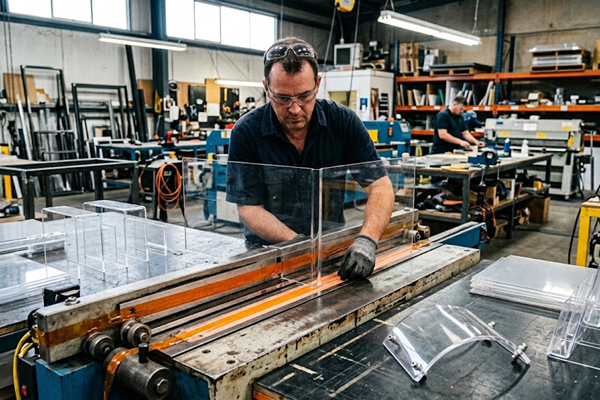
When most people think of acrylic, they imagine flat sheets for signage or display cases. But in skilled hands, acrylic becomes so much more, a material you can bend, stretch, blow, and shape into forms that defy expectations.

Acrylic fabrication has evolved far beyond simple heat forming. With modern equipment and a creative mindset, bending, dome blowing, and complex forming techniques open the door to wildly inventive, and surprisingly practical, applications. Here’s what that really looks like.

Acrylic bending: When function meets flair

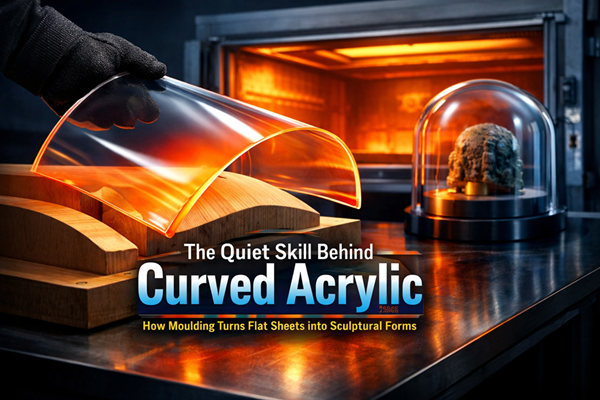
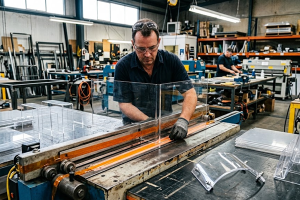
Heat bending is the foundation of acrylic fabrication. It’s not just about angles or right-angled displays, think fluid architectural curves, ergonomic furniture, or sculptural lighting designs.

Acrylic can be line-bent for crisp edges or strip-heated to achieve smooth, rolling arcs. Precision jigs allow for repeatable results, making it perfect for:

  • Retail displays that demand sleek, modern shapes
  • Protective barriers with curved profiles for improved sightlines
  • Furniture design, where form and transparency merge

When bent correctly, the finish stays optically clear, no bubbles, burns, or cloudiness. The trick lies in precise temperature control and slow cooling to prevent stress cracking later.

Dome blowing: Acrylic’s answer to glass innovation

Dome blowing, or bubble forming, is where acrylic truly starts to outshine glass. By heating sheets evenly and using air pressure, you can form perfect domes, spheres, and compound curves with exceptional optical clarity and impact resistance.

This technique is ideal for:

  • Aquarium viewing panels and zoo enclosures: Strong, distortion-free, and lighter than glass
  • Architectural skylights and roof domes: Custom sizes, seamless appearance, and UV-stable clarity
  • Lighting diffusers and art installations: A sculptor’s dream for capturing and playing with light

The creative side? Artists and designers have used blown acrylic to make futuristic helmets, automotive concepts, and even interactive public sculptures. The key benefit: you can achieve massive clarity without the weight or fragility of glass.

Forming acrylic: Sculpting with science

Beyond bending and blowing lies thermoforming, where acrylic sheets are heated and pulled over moulds or into vacuum formers. This process gives complete control over complex 3D shapes.

Modern forming allows for:

  • Curved signage and branded features with integrated lighting
  • Medical and laboratory equipment covers with exact tolerances
  • Automotive and marine components, shaped for aerodynamics and aesthetics
  • Public art and installations, blending precision with expressive design

Using CNC-cut moulds or 3D-printed forms, even intricate geometries can be replicated consistently. Once cooled, the formed acrylic maintains rigidity, clarity, and impressive resistance to impact and weathering.

Why acrylic wins over glass and metal

Acrylic fabrication isn’t just creative; it’s practical. Compared with glass or metal:

  • It’s half the weight of glass but up to 17 times stronger
  • It doesn’t shatter, making it safer for public or outdoor use
  • It can be laser-cut, bonded, bent, blown, and polished with precision
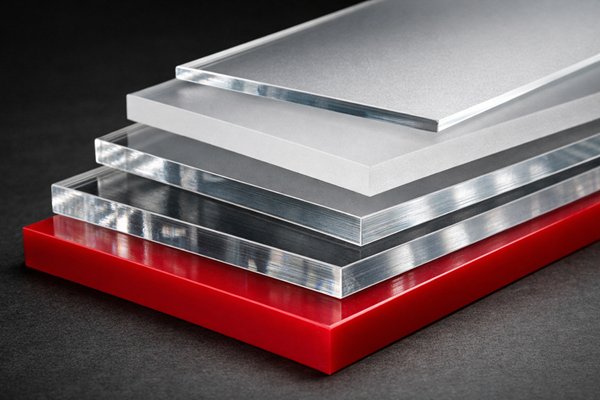
  • It comes in clear, tinted, mirrored, and frosted finishes for design flexibility

Combine that with sustainability advances, including recyclable acrylics and offcut reuse, and it’s no wonder architects, artists, and engineers are pushing its limits.

The future of acrylic design: Bold, curved, and bespoke

From immersive museum domes to custom motorcycle windshields, the possibilities with advanced acrylic fabrication are virtually endless. What used to be a “sheet material” is now a creative medium, one that bridges engineering and art. If you’ve only seen flat panels and box displays, it’s time to rethink what acrylic can do. Whether you’re an architect, designer, or manufacturer, bending, dome blowing, and forming can turn your ideas into something truly striking, durable, precise, and brilliantly clear.

Categories
blogpost

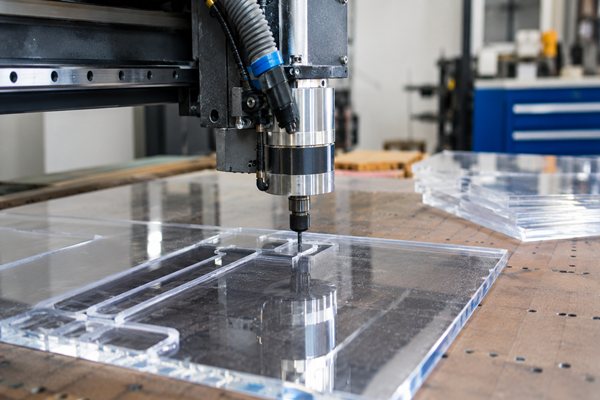
The Art of Precision: How CNC Routing Transforms Acrylic Projects

At Denny Plastics, precision is at the heart of everything we do. Achieving flawless results in acrylic fabrication necessitates a perfect blend of technology and expertise. CNC routing is one such technology that has transformed the way we create high-quality acrylic products. In this blog, we’ll dive into the CNC routing process, its benefits, and how it elevates custom fabrication projects. We’ll also share a case study from Denny Plastics to showcase its real-world applications, appealing to DIY enthusiasts, designers, and industrial clients alike.

What is CNC routing?

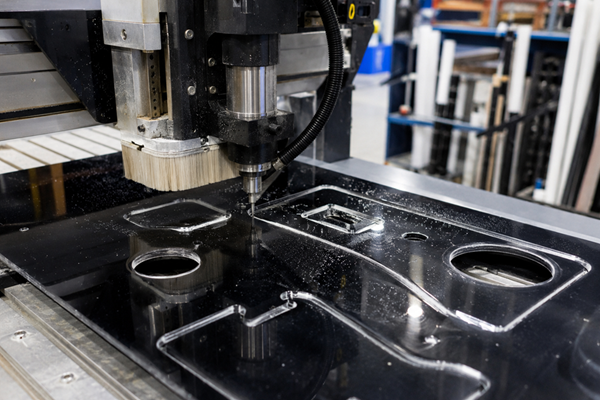
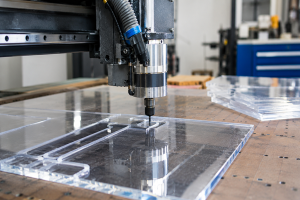
CNC (Computer Numerical Control) routing is a cutting-edge manufacturing process that uses computer-controlled machines to shape, cut, and engrave materials with exceptional accuracy. For acrylic projects, CNC routing is particularly effective due to its ability to handle the material’s unique characteristics, such as its brittleness and susceptibility to cracking.

The process starts with a digital design, typically created using CAD (Computer-Aided Design) software. This design is then converted into a set of instructions for the CNC machine, which uses a rotating cutting tool to precisely carve the acrylic into the desired shape. The result is a perfectly crafted product with intricate details and clean edges.

Why CNC Routing is Ideal for Acrylic Fabrication

CNC routing offers numerous advantages for acrylic projects, making it a preferred choice for custom fabrication. Here are some of the key benefits:

Unmatched Precision and Accuracy

CNC routers can achieve tolerances as tight as 0.1 mm, ensuring every cut and engraving is exact. This level of precision is crucial for creating complex designs and ensuring components fit together seamlessly.

Versatility in Design

From intricate engravings to large-scale cuts, CNC routing can handle a wide variety of tasks. It’s also compatible with different types of acrylic, including cast and extruded acrylic, offering flexibility in material selection.

Time and Cost Efficiency

Once the design is programmed, the CNC machine can produce multiple identical pieces quickly and consistently. This makes it ideal for both one-off custom projects and larger production runs, saving time and reducing costs.

Superior Finish Quality

CNC routing produces smooth edges and surfaces, minimising the need for additional finishing work. This is especially important for acrylic, where rough edges can detract from its clarity and visual appeal.

Case study: Turntable Base Replacement

One of our recent projects at Denny Plastics perfectly demonstrates the capabilities of CNC routing. A client approached us with a unique challenge: their vintage turntable’s base had cracked, and they needed a replacement that matched the original design.

Using CNC routing, we were able to recreate the base with incredible precision. Here’s how we did it:

  1. Scanning the original base to create a digital template.
  2. Designing the replacement in CAD software, ensuring it matched the dimensions and intricate details of the original.
  3. We are cutting the new base from high-quality cast acrylic using our CNC router.
  4. Polishing the edges to achieve a flawless, professional finish.

The result was a stunning replacement base that not only matched the original but also enhanced the turntable’s appearance with the clarity and elegance of acrylic. This project highlights how CNC routing can restore and improve cherished items, making it an invaluable tool for both restoration and custom fabrication.

Why Choose Denny Plastics for CNC Routing?

At Denny Plastics, we combine state-of-the-art CNC technology with decades of expertise in acrylic fabrication. Whether you’re a DIY enthusiast working on a personal project, a designer creating a bespoke piece, or an industrial client in need of precision components, we’re here to help.

Our commitment to quality and attention to detail ensures that every project we undertake meets the highest standards. Additionally, our ability to work with a wide range of materials and designs makes us the go-to choice for custom acrylic fabrication in the UK.

Start Your Next Project With Denny Plastics

CNC routing has revolutionised the way we work with acrylics, enabling us to create precise, high-quality products that exceed expectations. If you have a project in mind, we’d love to hear from you. Contact Denny Plastics today to discover how we can bring your vision to life with the art of precision.

Whether it’s a turntable base, a custom display, or a unique design, let us show you how CNC routing can make all the difference.

Categories
blogpost

Bespoke Perspex Solutions: Why London Designers Love This Versatile Material

At the heart of London’s dynamic design scene, bespoke perspex solutions are rapidly emerging as a favourite medium for creative expression. Designers across the city are discovering that this lightweight, durable material offers an unparalleled blend of functionality and aesthetic appeal, qualities that are essential for today’s innovative projects.

Unleashing Creativity with Perspex

One of the most attractive features of perspex is its versatility. Unlike traditional materials, perspex can easily be moulded, cut, and finished in virtually any shape. This flexibility opens up endless possibilities for designers who are looking to create custom installations, eye-catching signage, and modern furniture. The material’s clarity and smooth finish provide a sleek, contemporary look that complements both minimalist and intricate design concepts.

The Benefits of Bespoke Perspex Solutions

Bespoke perspex solutions offer several key benefits:

  • Customisation: Perspex can be tailored to meet specific project requirements, allowing designers to push the boundaries of their creativity.
  • Durability: Resistant to shattering and weathering, perspex is ideal for both indoor and outdoor applications.
  • Lightweight Nature: Its reduced weight compared to traditional glass or metal makes installation easier and more cost-effective.
  • Cost-Effective Production: Modern fabrication techniques’ efficiency allows for the quick production of bespoke solutions without sacrificing quality.

London’s Unique Design Landscape

London is a city where tradition meets modernity, and this duality is often reflected in its design projects. Local creatives are adept at fusing classic elements with cutting-edge technology, and perspex perfectly complements this trend. In fact, many design professionals refer to Perspex London when discussing innovative approaches that combine high-quality materials with bespoke craftsmanship.

Inspiring Applications and Future Trends

Across the capital, perspex is finding its way into a variety of applications:

  • Retail Displays: Custom-designed perspex showcases help businesses stand out with sophisticated, illuminated displays.
  • Interior Accents: Perspex adds a modern touch to living and working spaces through decorative panels and custom light fixtures.
  • Public Art Installations: Artists who create site-specific installations favour the material’s ability to transform into complex shapes.

As technology and design trends continue to evolve, bespoke perspex solutions are set to play an even greater role in shaping London’s urban landscape. Designers are not only using perspex to solve practical challenges but also to create visually stunning pieces that resonate with the city’s forward-thinking spirit.

Conclusion

Bespoke perspex solutions represent a fusion of art, technology, and practical design. They empower London designers to create pieces that are not only visually striking but also built to last. Whether used for innovative retail displays, unique interior accents, or public installations, perspex offers endless possibilities that continue to redefine modern design in one of the world’s most creative cities.

Categories
blogpost news

Choosing the right coloured acrylic

Coloured acrylic is a versatile and stylish material that has found its way into a variety of applications, from interior design to retail displays. Whether you are looking to make a bold statement or add subtle accents, coloured acrylic offers a range of possibilities to suit your needs. In this guide, we will explore the factors to consider when choosing the right coloured acrylic for your project.

Understanding coloured acrylic

Acrylic is a type of thermoplastic that is prized for its durability, light weight, and optical clarity. Coloured acrylic takes these advantages a step further by incorporating vibrant or muted hues into the material. It is available in solid, transparent, translucent, and even fluorescent finishes, allowing for a wide variety of creative applications.

Key benefits of coloured acrylic

  1. Durability: Coloured acrylic is highly resistant to impact and weathering, making it suitable for both indoor and outdoor use.
  2. Customisation: With an extensive range of colours and finishes available, you can easily tailor coloured acrylic to fit your specific aesthetic or branding needs.
  3. Lightweight: Compared to glass, acrylic is significantly lighter, making it easier to handle and install.
  4. UV resistance: Many coloured acrylic sheets come with built-in UV resistance, ensuring that the colour remains vibrant over time, even when exposed to sunlight.

Applications of coloured acrylic

Coloured acrylic is used across various industries due to its versatility and visual appeal. Common applications include:

  • Retail displays: Perfect for signage, point-of-sale displays, and shelving, coloured acrylic can help draw attention to products.
  • Interior design: From furniture to decorative panels, coloured acrylic adds a modern touch to any space.
  • Lighting: Translucent and fluorescent acrylic sheets are ideal for creating diffused lighting effects or bold light features.
  • Art and crafts: Artists and designers often use coloured acrylic to produce striking sculptures or creative installations.

Factors to consider when choosing coloured acrylic

When selecting coloured acrylic for your project, keep the following in mind:

  1. Colour and finish: Decide whether you need a solid, transparent, or translucent colour. Consider the effect you want to achieve and how the colour interacts with lighting in your space.
  2. Thickness: The thickness of the acrylic sheet can affect its durability and appearance. Thicker sheets are sturdier and create a more prominent visual impact.
  3. Environment: If your project involves outdoor use, ensure the acrylic is UV-resistant and weatherproof.
  4. Cutting and shaping: Acrylic can be cut and shaped to your specifications, so it’s important to choose a supplier that offers customisation options.

Maintaining coloured acrylic

Proper maintenance is essential to preserve the look and longevity of your coloured acrylic. Here are some tips:

  • Cleaning: Use a soft, damp cloth and a mild detergent to clean the surface. Avoid abrasive cleaners that could scratch the material.
  • Polishing: If the surface becomes dull or scratched, an acrylic polish can help restore its clarity and shine.
  • Handling: Handle acrylic sheets with care to prevent cracks or chips, especially along the edges.

Conclusion

Choosing the right coloured acrylic can transform your project, adding both functionality and aesthetic appeal. By considering factors such as colour, finish, and application, you can select an acrylic sheet that perfectly aligns with your vision. Whether you are designing a retail display or enhancing your home decor, coloured acrylic offers endless possibilities for creativity and innovation.

Categories
blogpost news

What’s an acrylic sheet?

Acrylic sheets are a versatile and widely used material in a range of industries, from construction to retail displays. Known for their lightweight nature, durability, and exceptional clarity, acrylic sheets are a popular alternative to glass. Whether you’re crafting custom signage, creating protective barriers, or designing eye-catching furniture, acrylic sheets offer flexibility and practicality that make them an excellent choice.

How are acrylic sheets made?

There are two primary methods for manufacturing acrylic sheets: cast and extruded production. Cast acrylic is produced by pouring liquid acrylic into moulds, which allows for greater thickness and optical clarity. Extruded acrylic, on the other hand, is more cost-effective but slightly less robust than cast acrylic due to its production through rollers. Both methods produce high-quality sheets, but the choice between the two depends on the intended application.

Key Properties of Acrylic Sheets

Acrylic sheets boast a range of properties that make them a popular material:

  • Lightweight: Acrylic is significantly lighter than glass, making it easier to handle and transport.
  • Shatter-resistant: Unlike glass, acrylic sheets are highly resistant to impact, reducing the risk of breakage.
  • • UV-resistant: UV rays resist many acrylic sheets, making them suitable for outdoor use without yellowing or becoming brittle.
  • Clarity: Acrylic offers exceptional optical clarity, with a transparency rate of 92%, ensuring a clear and crisp appearance.
  • • Easy to fabricate: Acrylic sheets are perfect for custom projects because they are easy to cut, drill, and shape.

Common Applications of Acrylic Sheets

Many industries use acrylic sheets due to their extreme versatility. Here are some common applications:

  • Signage and displays: Acrylic sheets are widely used for illuminated signs, retail displays, and exhibition stands due to their clarity and ability to diffuse light.
  • Furniture design: From modern coffee tables to stylish shelving, acrylic sheets add a sleek and contemporary touch to furniture.
  • Protective barriers: In workplaces and retail environments, acrylic sheets serve as sneeze guards and protective screens.
  • • Architectural features: Acrylic’s strength and transparency enable its use in skylights, partitions, and even aquariums.
  • Crafts and DIY projects: Hobbyists often use acrylic sheets for creative projects, including photo frames and decorative items.

How To Care For Acrylic Sheets

To maintain the clarity and longevity of acrylic sheets, proper care is essential. Here are some tips:

  • Clean with a soft cloth: Use a microfibre cloth and mild soapy water to gently clean the surface. Avoid abrasive cleaners that could cause scratches.
  • Avoid sharp objects: Although durable, acrylic can scratch if exposed to sharp tools or rough handling.
  • Store carefully: If not in use, store acrylic sheets in a flat, dry space to prevent warping or damage.

Why Choose Acrylic Sheets Over Glass

Acrylic sheets offer several advantages over traditional glass. They are lighter, more impact-resistant, and easier to fabricate, making them a safer and more practical option in many scenarios. Additionally, acrylic sheets provide the same level of clarity as glass but with enhanced durability, making them a cost-effective and long-lasting solution.

Conclusion

Acrylic sheets are a versatile and reliable material that offers a host of benefits, from durability and clarity to ease of fabrication. Whether you’re a professional in need of high-quality materials for industrial use or a DIY enthusiast looking for creative possibilities, acrylic sheets are an excellent choice for a wide variety of projects.

Categories
blogpost news

10 innovative ways to use acrylic sheets in retail displays

Acrylic sheets are an incredibly versatile material, offering durability, clarity, and flexibility for a range of creative applications. Retailers are increasingly turning to acrylic to enhance their displays, from eye-catching signage to functional fixtures. Here are ten innovative ways to make the most of Perspex acrylic sheets in retail settings.

Illuminated signage

Acrylic is perfect for creating illuminated signs that grab customers’ attention. Its transparency and ability to evenly diffuse light make it ideal for LED backlighting, ensuring that logos and messages stand out both day and night.

Product display cases

Sleek, modern display cases that highlight products and protect them from damage or theft often use clear acrylic sheets. These cases are lightweight, shatter-resistant, and easily customised to fit any design.

Shelving units

Acrylic shelving units offer a minimalist and contemporary look that complements almost any retail environment. Available in clear or coloured finishes, these shelves provide a strong, durable option for displaying merchandise.

Wall-mounted displays

You can use acrylic sheets to create custom wall-mounted displays for products, advertisements, or informational materials. Their versatility allows for unique shapes and designs, helping retailers make the most of their wall space.

Counter dividers

With the growing need for safety and hygiene, acrylic counter dividers have become a staple in retail spaces. They provide a clear barrier between staff and customers while maintaining an open and inviting atmosphere.

Point-of-sale displays

Acrylic is a popular choice for point-of-sale (POS) displays, offering a clean and polished aesthetic that enhances the visibility of promotional items. Custom printing on acrylic sheets can add branding or seasonal designs to the display.

Hanging signs

Lightweight and durable, acrylic sheets are ideal for creating hanging signs that are both attractive and functional. You can cut these signs into various shapes and sizes, perfect for wayfinding or branding purposes.

Modular displays

Designers can use acrylic sheets to create modular display systems that adapt to changing retail needs. These systems are cost-effective, easy to assemble, and offer endless possibilities for customisation.

Mirrors and reflective surfaces

Acrylic mirrors are a lightweight and shatterproof alternative to traditional glass mirrors. You can use them in fitting rooms, as decorative elements, or even in product displays to add depth and luxury.

Custom branding

Finally, acrylic sheets can be laser-cut or printed with custom designs to create unique branded elements for retail spaces. From logo cut-outs to decorative panels, acrylic offers endless opportunities to reinforce brand identity.

By incorporating acrylic sheets into retail displays, businesses can achieve a professional and modern aesthetic while benefiting from the material’s versatility and durability. Whether you’re designing a shopfront, creating point-of-sale displays, or updating your shop layout, acrylic can help bring your vision to life.

Categories
blogpost

How London Businesses Use Laser Cutting to Stay Competitive

In the fast-paced and highly competitive world of business, staying ahead often requires innovation, efficiency, and a unique edge. Laser cutting in London has emerged as a transformative solution for numerous London-based businesses. Laser cutting in London. From precision manufacturing to bespoke design, laser cutting enables businesses to create high-quality products that cater to a wide range of industries. Here’s how laser cutting helps London businesses remain competitive in an ever-evolving market.

1. Unparalleled precision and quality

Laser cutting technology allows businesses to achieve an unparalleled level of precision. Whether cutting intricate designs into acrylic sheets or creating components for industrial machinery, laser cutting delivers results that are accurate to the millimetre. This precision helps businesses meet stringent quality standards, which is essential in industries like engineering, architecture, and fashion.

For example, London-based fashion designers use laser cutting to craft intricate patterns on fabrics and accessories. The ability to achieve clean and detailed cuts ensures their designs stand out in a crowded market.

2. Customisation and creativity

One of the standout advantages of laser cutting is the freedom it provides for customization. In a city as diverse as London, businesses often need to cater to highly specific client demands. Laser cutting makes it possible to create personalised items, such as custom signage, unique promotional products, and bespoke home décor.

For instance, event planners in London frequently use laser cutting to design tailored decorations and signage that match the theme of their events. This level of customisation sets businesses apart and helps them attract and retain clients.

3. Efficiency and cost-effectiveness

Time is money, especially in a competitive market like London. Laser cutting offers a faster and more efficient way to produce goods compared to traditional cutting methods. It’s automation capabilities reduce production time while minimising material waste, making it an eco-friendly and cost-effective solution.

Manufacturers in London benefit significantly from this efficiency, allowing them to meet tight deadlines without compromising quality. By reducing operational costs, businesses can maintain competitive pricing while delivering top-tier products.

4. Diverse applications across industries

The versatility of laser cutting has made it an essential tool for businesses in various industries. Some key sectors in London that rely on laser cutting include:

  • Architecture: Creating intricate models and façade designs.
  • Retail: Designing branded displays and signage.
  • Jewellery and Fashion: Crafting detailed and unique pieces.
  • Interior design: producing customised furniture and decorative items.

This adaptability ensures that laser cutting remains a valuable asset, no matter the industry.

5. Enhancing London’s creative economy

London is known for its vibrant creative industries, and laser cutting plays a significant role in supporting this ecosystem. From artists creating avant-garde sculptures to tech start-ups developing prototypes, laser cutting technology empowers businesses to bring their ideas to life with precision and efficiency.

For example, small businesses in London’s thriving markets use laser cutting to produce distinctive products that attract tourists and locals alike. This not only boosts their competitiveness but also contributes to the city’s reputation as a hub for innovation.

6. Meeting sustainability goals

Sustainability is becoming increasingly important for businesses, particularly in eco-conscious cities like London. Laser cutting reduces material waste, making it a more sustainable option than traditional cutting techniques. This aligns with the green initiatives of many London-based companies, helping them appeal to environmentally conscious consumers while reducing their environmental footprint.

Conclusion

Laser cutting in London has revolutionised the way businesses operate, offering a combination of precision, customisation, efficiency, and sustainability. By leveraging this technology, London businesses can stay competitive, meet customer demands, and foster innovation across industries.

Whether you’re a manufacturer, designer, or entrepreneur, investing in laser cutting technology could be the key to maintaining an edge in one of the world’s most dynamic business environments. Let your creativity and innovation shine with the power of laser cutting!