

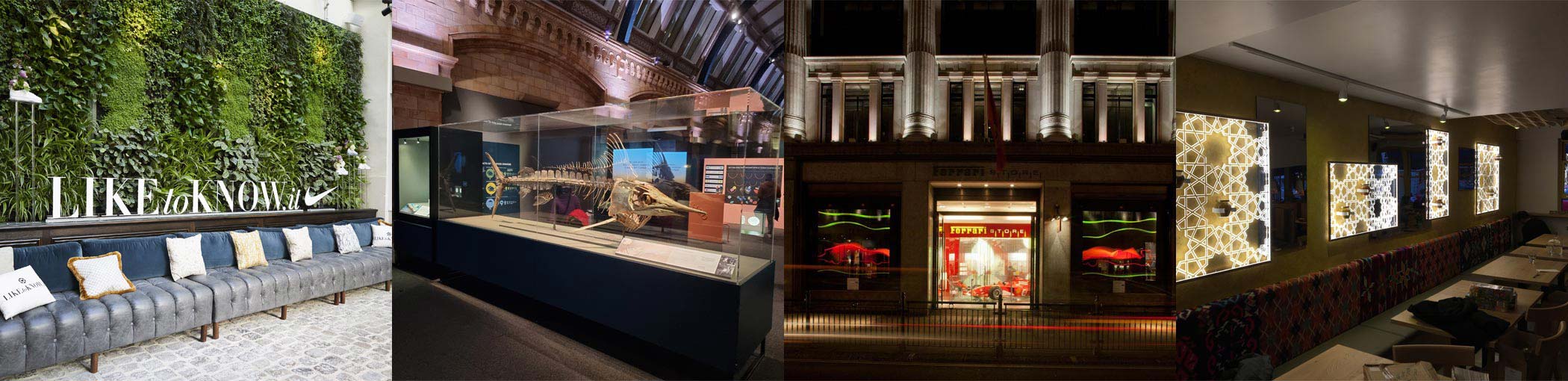

When you step into a museum or gallery, the art or artefact isn’t the only masterpiece on display, the case protecting it often says just as much about craftsmanship and precision. Behind every sleek, crystal-clear enclosure is a blend of design, engineering, and conservation expertise.
At Denny Plastics, we’ve built display cases for some of the UK’s most respected institutions. Over the years, we’ve seen what works, what doesn’t, and what separates a proper museum-grade case from an amateur box with a hinge.
Here’s what actually goes into the decision-making process when professionals choose a display case.
1. Conservation comes first
Museums start with one question: “Will this protect the object?”
Acrylic display cases aren’t just about looks, they’re part of the conservation system.
Professionals look for:
- UV-resistant acrylic to prevent fading and deterioration
- Low-emission materials to avoid off-gassing that damages artefacts
- Sealed enclosures that protect from dust, humidity, and pollutants
- Stable temperature performance to avoid warping or condensation
Pro tip: Always ask your fabricator about the material’s museum compliance and emission ratings, not all acrylics are created equal.
2. Optical clarity matters more than you think
When displaying fine art, clarity is everything. High-end galleries often insist on optical-gradePerspex or cast acrylic for a reason, it offers near-invisible transparency and minimal distortion.
Professionals care about:
- Distortion-free viewing from all angles
- Anti-reflective finishes for lighting-heavy rooms
- Edge polishing quality (this separates pros from amateurs)
At Denny Plastics, we polish edges to a museum gloss finish, no cloudy joints, no visible seams.
3. Security and access design
A display case is also a security barrier. That means:
- Lockable panels or hidden fastenings
- Impact-resistant acrylic (often thicker than you’d expect)
- Modular access: removable tops, magnetic closures, or concealed hatches
Museums balance accessibility for curators with protection from the public. Every hinge, latch, and fixing must be planned from the start, not added as an afterthought.
4. Design harmony with the exhibit
Cases shouldn’t steal the spotlight. Designers aim for:
- Minimal visual interference: Clean lines, invisible joints
- Complementary materials (wood bases, brushed metal, neutral tones)
- Lighting integration: Diffused LEDs or fibre optics built into the plinth
A good case frames the object without competing with it, that’s an art in itself.
5. Scalability and installation logistics
Big exhibitions demand consistent quality across dozens of cases, and fast installation. That’s why curators choose fabricators who:
- Can replicate designs precisely across large batches
- Offer modular designs for easy transport and assembly
- Have experience working on-site at museums or galleries (with all the security, insurance, and handling protocols that entails)
At Denny Plastics, we regularly deliver cases to institutions across London and the UK, designed for precision, built for real-world use.
6. Sustainability and future-proofing
Modern institutions increasingly ask for recycled or recyclable materials like Greencast® acrylic. They also want designs that can be reused or adapted for future exhibits, not single-use builds.
That means:
- Recyclable sheet materials
- Detachable components
- Long lifespan finishes
The future of display design is sustainable, and acrylic fabrication is catching up fast.
Conclusion
Choosing a display case isn’t just a design decision, it’s a delicate balance of protection, presentation, and precision.
For museums and galleries, it’s about trust, trust that their most valuable objects are safe, beautifully displayed, and built to last.
That’s why institutions across the UK choose Denny Plastics: because we treat every display case as both a technical achievement and a piece of craftsmanship worthy of the art it protects.