


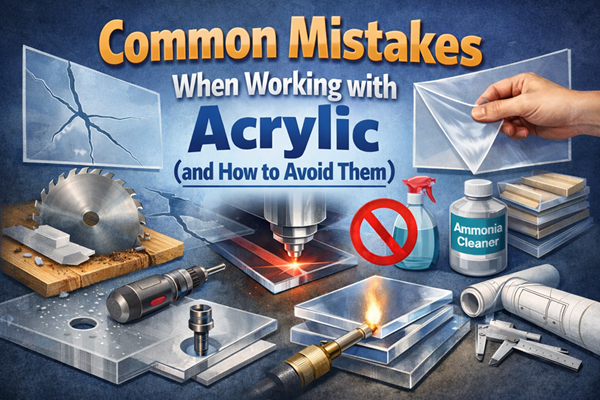
Acrylic is a versatile and durable material used across retail, construction, design, and display applications. However, achieving a professional finish requires the right techniques. Mistakes during handling or fabrication can lead to cracking, poor aesthetics, or wasted material.
This guide outlines the most common issues when working with acrylic and explains how to avoid them.
1. Using the wrong cutting tools
One of the most frequent mistakes is using unsuitable tools when cutting acrylic. Standard wood-cutting blades or blunt tools can cause chipping, melting, or rough edges.
How to avoid it:
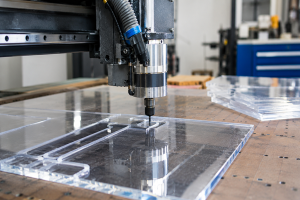
Use blades specifically designed for plastics. Fine-toothed circular saw blades or laser cutting methods deliver cleaner results. Ensure tools are sharp and operate at the correct speed to prevent overheating.
2. Applying too much pressure when drilling
Acrylic can crack easily under pressure, especially when drilling holes without proper technique.
How to avoid it:
Use drill bits designed for acrylic or plastics. Apply light, steady pressure and allow the drill to do the work. Supporting the sheet underneath reduces stress and helps prevent cracking.
3. Ignoring thermal expansion
Acrylic expands and contracts with temperature changes. Failing to account for this can lead to warping or stress fractures over time.
How to avoid it:
Allow for expansion gaps when installing acrylic panels. Avoid tight fixings and use appropriate mounting methods that accommodate movement.
4. Removing protective film too early
Protective film is applied to prevent scratches during handling and fabrication. Removing it too soon exposes the surface to damage.
How to avoid it:
Keep the protective film in place for as long as possible. Only remove it once fabrication and installation are complete.
5. Using incorrect cleaning products
Acrylic is sensitive to certain chemicals. Using standard glass cleaners or abrasive materials can cause surface damage or clouding.
How to avoid it:
Clean acrylic using a soft cloth and a cleaner specifically designed for plastics. Avoid ammonia-based products and rough sponges.
6. Poor edge finishing
Rough or uneven edges reduce the visual quality of acrylic and can affect its usability in display or retail environments.
How to avoid it:
Use professional polishing techniques such as flame polishing or diamond polishing. Sanding progressively with finer grades can also improve edge clarity.
7. Overheating during fabrication
Excessive heat during cutting, bending, or machining can cause acrylic to melt, bubble, or deform.
How to avoid it:
Control tool speed and avoid prolonged friction in one area. When bending acrylic, use consistent and controlled heat sources designed for the material.
8. Incorrect storage
Improper storage can lead to warping, scratches, or contamination before the material is even used.
How to avoid it:
Store acrylic sheets flat in a clean, dry environment. Keep them away from direct sunlight and excessive heat.
9. Choosing the wrong thickness
Using acrylic that is too thin for the application can result in flexing or breakage. Over-specifying thickness can increase costs unnecessarily.
How to avoid it:
Select thickness based on the application. Structural or load-bearing uses require thicker sheets, while lightweight displays can use thinner material.
10. Attempting complex fabrication without expertise
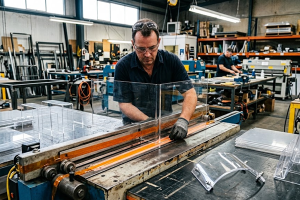
Complex designs or large-scale projects often require specialised equipment and experience. Attempting these without the right capability can lead to costly errors.
How to avoid it:
For intricate or high-precision work, use a professional acrylic fabricator. This ensures accuracy, durability, and a high-quality finish.
Final thoughts
Working with acrylic offers excellent results when handled correctly. Most issues arise from incorrect tools, poor technique, or lack of planning. By understanding these common mistakes and applying the right methods, you can achieve a clean, professional finish and extend the lifespan of your project.
For complex requirements or bespoke solutions, working with an experienced fabrication specialist ensures the best outcome from the start.