
SPEAK TO THE EXPERTS

  • phone-icon
  • 020 8964 9368

SEND US AN EMAIL

  • mail-icon
  • sales@dennyplastics.co.uk

Blog

Categories
blogpost

The Role of Acrylic in Film, TV and Theatre Set Design

Acrylic has become a practical material choice across film, television and theatre production. Its combination of clarity, strength and adaptability allows designers to achieve demanding visual results while keeping production efficient and cost-effective.

For set designers and production teams working under tight schedules, acrylic offers solutions that traditional materials often struggle to match.

Lightweight props without compromise

One of the key advantages of acrylic is its lightweight nature. Large props, scenic elements and set features can be created without the structural weight associated with glass or solid materials. This makes transport, rigging and on-set repositioning significantly easier.

In theatre, where frequent scene changes are required, lighter props reduce strain on stage crew and equipment. In film and TV, they allow faster resets between takes and more flexible camera setups.

Fast turnaround fabrication

Production timelines are often short, particularly in television and commercial filming. Acrylic can be cut, shaped and finished quickly using modern acrylic fabrication techniques, allowing designers to move from concept to finished prop in a short timeframe.

This speed of production supports last-minute design changes without major delays. For set builders, this means greater responsiveness when directors or production teams adjust creative direction during filming or rehearsal stages.

Illusion and lighting effects

Acrylic plays a significant role in creating visual effects on stage and screen. Its optical clarity allows it to mimic glass, water or ice without the associated weight or fragility. When combined with lighting, it can be used to diffuse, reflect or transmit light in controlled ways.

Coloured or frosted acrylic sheets are often used to shape atmosphere, from subtle ambient glow to bold scenic impact. In theatre lighting design, this material helps create depth and dimension without relying on complex structures.

Reusability of sets

Sustainability and cost efficiency are increasingly important in production design. Acrylic components can be reused across multiple productions with minimal wear, particularly when properly stored and maintained.

Modular acrylic set pieces can be adapted for different scenes or entirely new productions, reducing the need for repeated fabrication. This makes it a practical long-term investment for studios and theatre companies working on multiple projects throughout the year.

A practical material for modern production

Acrylic continues to support the demands of modern set design by combining visual flexibility with practical performance. From lightweight props to reusable set elements, it allows creative teams to work efficiently while maintaining strong visual impact.

For production environments where time, budget and appearance all matter, acrylic remains a dependable material choice.
Categories
blogpost

Perspex Fabrication: A Practical Guide for Businesses

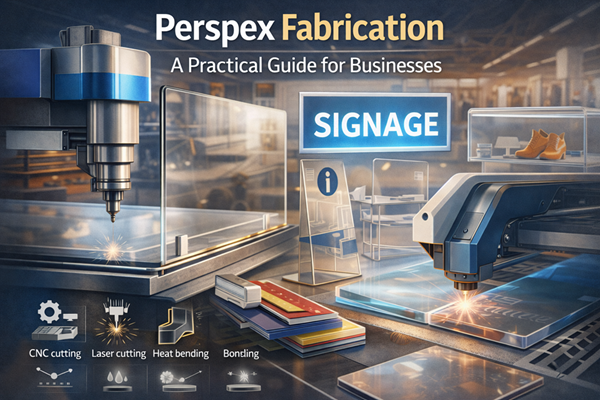
Perspex fabrication plays a key role in modern manufacturing, offering a reliable and adaptable material for a wide range of commercial uses. From retail displays to protective barriers, Perspex provides clarity, strength, and precision that many traditional materials cannot match.

This guide explains what perspex fabrication involves, where it is used, and why it remains a popular choice across industries.

What is perspex fabrication?

Perspex is a brand of acrylic plastic known for its durability and optical clarity. Fabrication refers to the process of shaping, cutting, and assembling this material into finished products.

Common fabrication methods include:

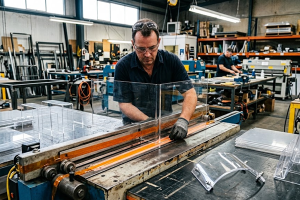
  • CNC cutting for precise shapes
  • Laser cutting for clean edges
  • Heat bending for angled designs
  • Bonding and polishing for seamless finishes

These processes allow manufacturers to create both simple components and complex, custom-built solutions.

Why choose Perspex?

Perspex offers several advantages that make it suitable for commercial applications:

Clarity
It provides a glass-like appearance with excellent light transmission, making it ideal for displays and signage.

Strength and safety
Perspex is more impact-resistant than glass and does not shatter in the same way, reducing safety risks.

Lightweight
It is easier to transport, handle, and install compared to heavier materials.

Versatility
It can be cut, drilled, shaped, and coloured to suit a wide range of design requirements.

Weather resistance
Perspex performs well in both indoor and outdoor environments without significant degradation.

Common applications

Perspex fabrication is used across multiple sectors, including:

Retail and display
Point-of-sale displays, product stands, and protective covers benefit from its clarity and clean finish.

Signage
Illuminated signs, lettering, and panels often use Perspex due to its ability to diffuse light effectively.

Protective screens
Widely used in public-facing environments such as offices, shops, and healthcare settings.

Industrial use
Machine guards, covers, and fabricated components where durability and visibility are required.

Interior design
Furniture elements, wall features, and bespoke installations.

The fabrication process

A typical Perspex fabrication project follows a structured approach:

  1. Design consultation
    Requirements are defined, including size, thickness, and finish.
  2. Material selection
    The appropriate grade and colour of Perspex is chosen.
  3. Cutting and shaping
    Advanced machinery ensures precision and consistency.
  4. Assembly and finishing
    Components are bonded, polished, or treated to achieve the desired result.
  5. Quality control
    Final checks ensure the product meets specifications.

This process ensures each product is fit for purpose and built to last.

Choosing the right fabrication partner

Selecting an experienced Perspex fabricator is essential for achieving the right outcome. Key factors to consider include:

  • Proven experience in custom fabrication
  • Access to modern machinery and techniques
  • Ability to handle both small and large projects
  • Consistent quality control standards
  • Clear communication throughout the project

A reliable supplier will guide the process from initial concept to final delivery, ensuring the finished product meets practical and visual requirements.

Final thoughts

Perspex fabrication offers a dependable solution for businesses that require durable, lightweight, and visually appealing materials. Its flexibility makes it suitable for everything from simple protective screens to complex, bespoke installations. With the right approach and expertise, Perspex can be transformed into products that are both functional and professional, supporting a wide range of commercial needs.

Categories
blogpost

Common Mistakes When Working with Acrylic (and How to Avoid Them)

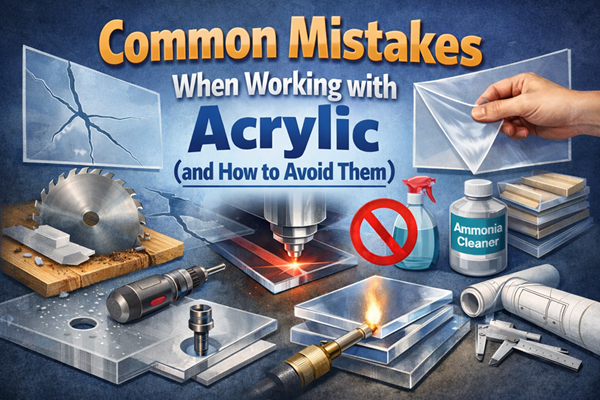
Acrylic is a versatile and durable material used across retail, construction, design, and display applications. However, achieving a professional finish requires the right techniques. Mistakes during handling or fabrication can lead to cracking, poor aesthetics, or wasted material.

This guide outlines the most common issues when working with acrylic and explains how to avoid them.

1. Using the wrong cutting tools

One of the most frequent mistakes is using unsuitable tools when cutting acrylic. Standard wood-cutting blades or blunt tools can cause chipping, melting, or rough edges.

How to avoid it:
Use blades specifically designed for plastics. Fine-toothed circular saw blades or laser cutting methods deliver cleaner results. Ensure tools are sharp and operate at the correct speed to prevent overheating.

2. Applying too much pressure when drilling

Acrylic can crack easily under pressure, especially when drilling holes without proper technique.

How to avoid it:
Use drill bits designed for acrylic or plastics. Apply light, steady pressure and allow the drill to do the work. Supporting the sheet underneath reduces stress and helps prevent cracking.

3. Ignoring thermal expansion

Acrylic expands and contracts with temperature changes. Failing to account for this can lead to warping or stress fractures over time.

How to avoid it:
Allow for expansion gaps when installing acrylic panels. Avoid tight fixings and use appropriate mounting methods that accommodate movement.

4. Removing protective film too early

Protective film is applied to prevent scratches during handling and fabrication. Removing it too soon exposes the surface to damage.

How to avoid it:
Keep the protective film in place for as long as possible. Only remove it once fabrication and installation are complete.

5. Using incorrect cleaning products

Acrylic is sensitive to certain chemicals. Using standard glass cleaners or abrasive materials can cause surface damage or clouding.

How to avoid it:
Clean acrylic using a soft cloth and a cleaner specifically designed for plastics. Avoid ammonia-based products and rough sponges.

6. Poor edge finishing

Rough or uneven edges reduce the visual quality of acrylic and can affect its usability in display or retail environments.

How to avoid it:
Use professional polishing techniques such as flame polishing or diamond polishing. Sanding progressively with finer grades can also improve edge clarity.

7. Overheating during fabrication

Excessive heat during cutting, bending, or machining can cause acrylic to melt, bubble, or deform.

How to avoid it:
Control tool speed and avoid prolonged friction in one area. When bending acrylic, use consistent and controlled heat sources designed for the material.

8. Incorrect storage

Improper storage can lead to warping, scratches, or contamination before the material is even used.

How to avoid it:
Store acrylic sheets flat in a clean, dry environment. Keep them away from direct sunlight and excessive heat.

9. Choosing the wrong thickness

Using acrylic that is too thin for the application can result in flexing or breakage. Over-specifying thickness can increase costs unnecessarily.

How to avoid it:
Select thickness based on the application. Structural or load-bearing uses require thicker sheets, while lightweight displays can use thinner material.

10. Attempting complex fabrication without expertise

Complex designs or large-scale projects often require specialised equipment and experience. Attempting these without the right capability can lead to costly errors.

How to avoid it:
For intricate or high-precision work, use a professional acrylic fabricator. This ensures accuracy, durability, and a high-quality finish.

Final thoughts

Working with acrylic offers excellent results when handled correctly. Most issues arise from incorrect tools, poor technique, or lack of planning. By understanding these common mistakes and applying the right methods, you can achieve a clean, professional finish and extend the lifespan of your project.

For complex requirements or bespoke solutions, working with an experienced fabrication specialist ensures the best outcome from the start.

Categories
blogpost

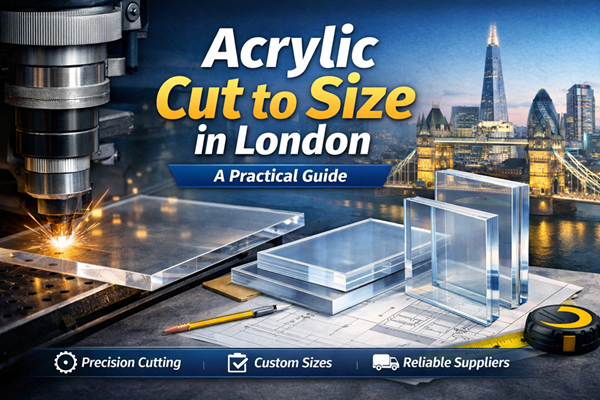
Acrylic Cut to Size in London: A Practical Guide

Acrylic cut to size services in London are in demand across a wide range of industries, from retail displays to home improvements. Whether the requirement is a single panel or a bulk order, having acrylic precisely cut to specification saves time, reduces waste, and ensures a professional finish.

This guide explains how cut-to-size acrylic works, where it is used, and what to consider before placing an order.

What “Acrylic cut to size” means

Cut-to-size acrylic refers to plastic sheets that are supplied in exact dimensions based on customer requirements. Instead of purchasing standard sheet sizes and trimming them manually, the material arrives ready for installation or use.

This process typically involves:

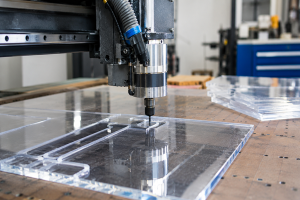
  • Precision cutting using CNC or laser equipment
  • Optional polishing or finishing of edges
  • Drilling or shaping if required

The result is a clean, accurate panel with minimal preparation needed on site.

Common uses in London projects

In a city like London, where space, presentation, and durability all matter, acrylic is used in a variety of applications:

Retail and commercial displays

Shops, exhibitions, and offices use acrylic for:

  • Product displays
  • Protective screens
  • Signage and branding panels

Its clarity and strength make it a reliable alternative to glass.

Home improvements

Homeowners often choose acrylic for:

  • Kitchen splashbacks
  • Secondary glazing panels
  • Bathroom features

It is lightweight, easy to install, and resistant to impact.

Construction and renovation

Builders and contractors use cut acrylic for:

  • Window replacements
  • Protective barriers
  • Custom fixtures

Having sheets cut in advance speeds up installation and reduces labour time.

Benefits of choosing acrylic over glass

Acrylic offers several advantages that make it suitable for both commercial and domestic use:

  • Impact resistance: Stronger than glass and less likely to shatter
  • Lightweight: Easier to transport and install
  • Optical clarity: Provides a clear, polished appearance
  • Versatility: Can be cut, drilled, and shaped to suit different designs

These qualities are particularly useful in busy environments where safety and practicality are priorities.

What to consider before ordering

Before ordering acrylic cut to size in London, it is important to define the project requirements clearly.

Accurate measurements

Provide exact dimensions, including thickness. Even small errors can affect fitting, especially for tight spaces.

Edge finish

Decide whether the edges need polishing. Visible edges in displays or furniture benefit from a smooth finish.

Thickness selection

Thicker sheets offer greater strength, while thinner sheets are more flexible and cost-effective. The choice depends on the intended use.

Indoor or outdoor use

For outdoor applications, UV-resistant acrylic may be required to prevent discolouration over time.

Lead times and delivery in London

Many suppliers offer fast turnaround times due to local demand. Standard orders can often be completed within a few working days, while more complex jobs may take longer.

Delivery options typically include:

  • Direct site delivery
  • Collection from a local warehouse

Planning ahead ensures materials arrive when needed, avoiding project delays.

Choosing the right supplier

Selecting a reliable supplier is essential for achieving the desired result. Look for:

  • Experience in custom plastic fabrication
  • Clear pricing with no hidden costs
  • Consistent cutting accuracy
  • Support with material selection

A supplier that understands both commercial and domestic requirements can provide better guidance and reduce the risk of errors.

Final thoughts

Acrylic cut to size services in London provide a practical solution for projects that require precision and efficiency. By ordering panels ready to use, both professionals and homeowners can save time while achieving a clean, professional finish. Understanding the options available and preparing accurate specifications will ensure the final product meets expectations without unnecessary delays or adjustments.