

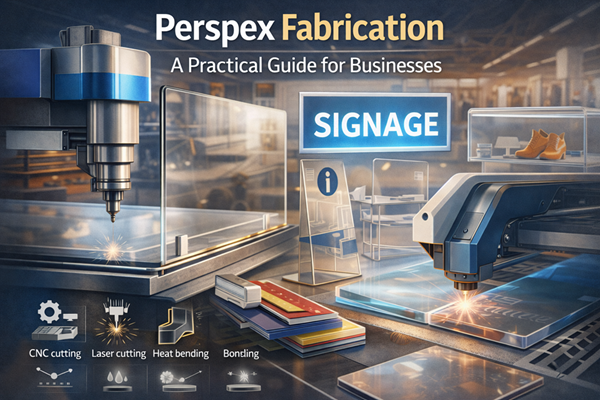
Perspex fabrication plays a key role in modern manufacturing, offering a reliable and adaptable material for a wide range of commercial uses. From retail displays to protective barriers, Perspex provides clarity, strength, and precision that many traditional materials cannot match.
This guide explains what perspex fabrication involves, where it is used, and why it remains a popular choice across industries.
What is perspex fabrication?
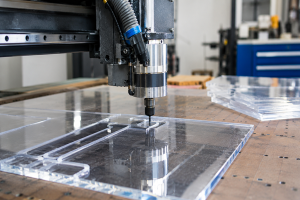
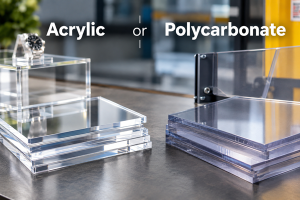
Perspex is a brand of acrylic plastic known for its durability and optical clarity. Fabrication refers to the process of shaping, cutting, and assembling this material into finished products.
Common fabrication methods include:
- CNC cutting for precise shapes
- Laser cutting for clean edges
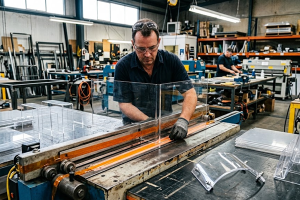
- Heat bending for angled designs
- Bonding and polishing for seamless finishes
These processes allow manufacturers to create both simple components and complex, custom-built solutions.
Why choose Perspex?
Perspex offers several advantages that make it suitable for commercial applications:
Clarity
It provides a glass-like appearance with excellent light transmission, making it ideal for displays and signage.
Strength and safety
Perspex is more impact-resistant than glass and does not shatter in the same way, reducing safety risks.
Lightweight
It is easier to transport, handle, and install compared to heavier materials.
Versatility
It can be cut, drilled, shaped, and coloured to suit a wide range of design requirements.
Weather resistance
Perspex performs well in both indoor and outdoor environments without significant degradation.
Common applications
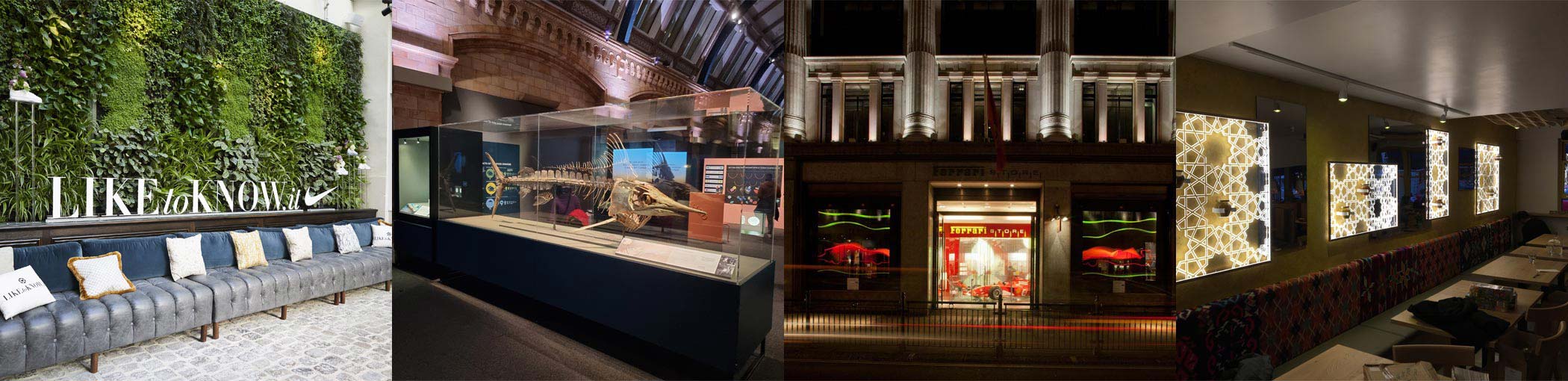
Perspex fabrication is used across multiple sectors, including:
Retail and display
Point-of-sale displays, product stands, and protective covers benefit from its clarity and clean finish.
Signage
Illuminated signs, lettering, and panels often use Perspex due to its ability to diffuse light effectively.
Protective screens
Widely used in public-facing environments such as offices, shops, and healthcare settings.
Industrial use
Machine guards, covers, and fabricated components where durability and visibility are required.
Interior design
Furniture elements, wall features, and bespoke installations.
The fabrication process
A typical Perspex fabrication project follows a structured approach:
- Design consultation
Requirements are defined, including size, thickness, and finish. - Material selection
The appropriate grade and colour of Perspex is chosen. - Cutting and shaping
Advanced machinery ensures precision and consistency. - Assembly and finishing
Components are bonded, polished, or treated to achieve the desired result. - Quality control
Final checks ensure the product meets specifications.
This process ensures each product is fit for purpose and built to last.
Choosing the right fabrication partner
Selecting an experienced Perspex fabricator is essential for achieving the right outcome. Key factors to consider include:
- Proven experience in custom fabrication
- Access to modern machinery and techniques
- Ability to handle both small and large projects
- Consistent quality control standards
- Clear communication throughout the project
A reliable supplier will guide the process from initial concept to final delivery, ensuring the finished product meets practical and visual requirements.
Final thoughts
Perspex fabrication offers a dependable solution for businesses that require durable, lightweight, and visually appealing materials. Its flexibility makes it suitable for everything from simple protective screens to complex, bespoke installations. With the right approach and expertise, Perspex can be transformed into products that are both functional and professional, supporting a wide range of commercial needs.